what happens overnight
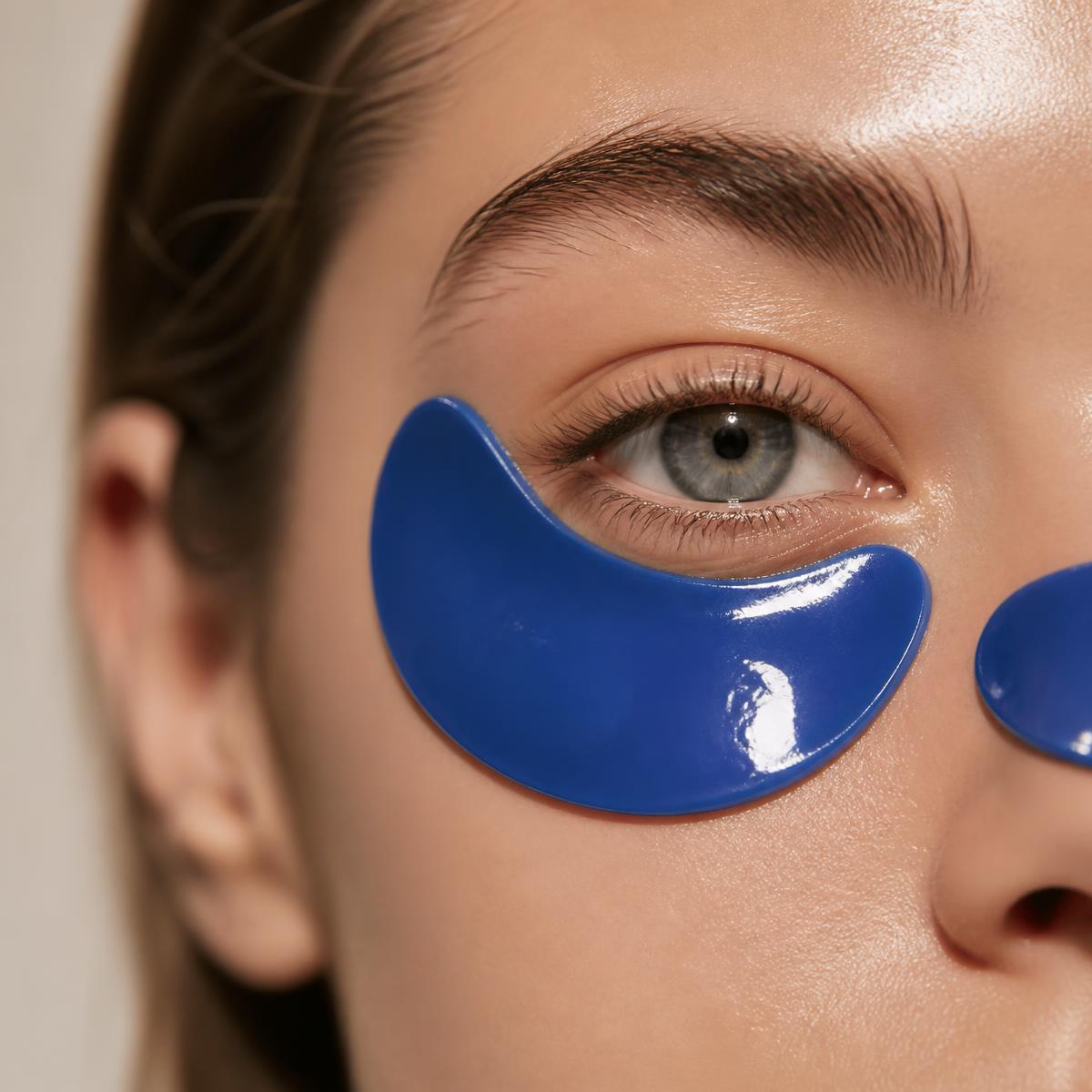
For the eight hours you spend horizontal, gravity stops helping. Fluid that would normally drain down and away from the face collects in the loose tissue around the orbital bone — and the skin there is roughly half a millimetre thick, with almost no fat or muscle to disguise it. A very small amount of fluid produces a very visible result.
That's the whole mechanism, and it's why morning puffiness follows such a predictable pattern: worst in the first hour after waking, noticeably better after twenty minutes of being upright, generally gone by mid-morning.
the seven usual causes
- Sleeping flat. The single biggest lever, and the easiest to change.
- Salt at dinner. Sodium holds water in the tissue overnight.
- Alcohol. Dehydrates, disrupts sleep, and inflames — a triple hit.
- Short or broken sleep. Less circulation, more retention.
- Allergies. Histamine swells the area, and rubbing compounds it.
- Crying or illness. Temporary and self-resolving.
- Genetics. Inherited under-eye fat pads aren't fluid — they don't respond to the same fixes, though hydration softens how they read.
The distinction in that last point matters more than anything else on this page. Fluid responds beautifully to cooling and hydration. Structure doesn't.