
By The pep patch team, Product & formulation
Published · 4 min read
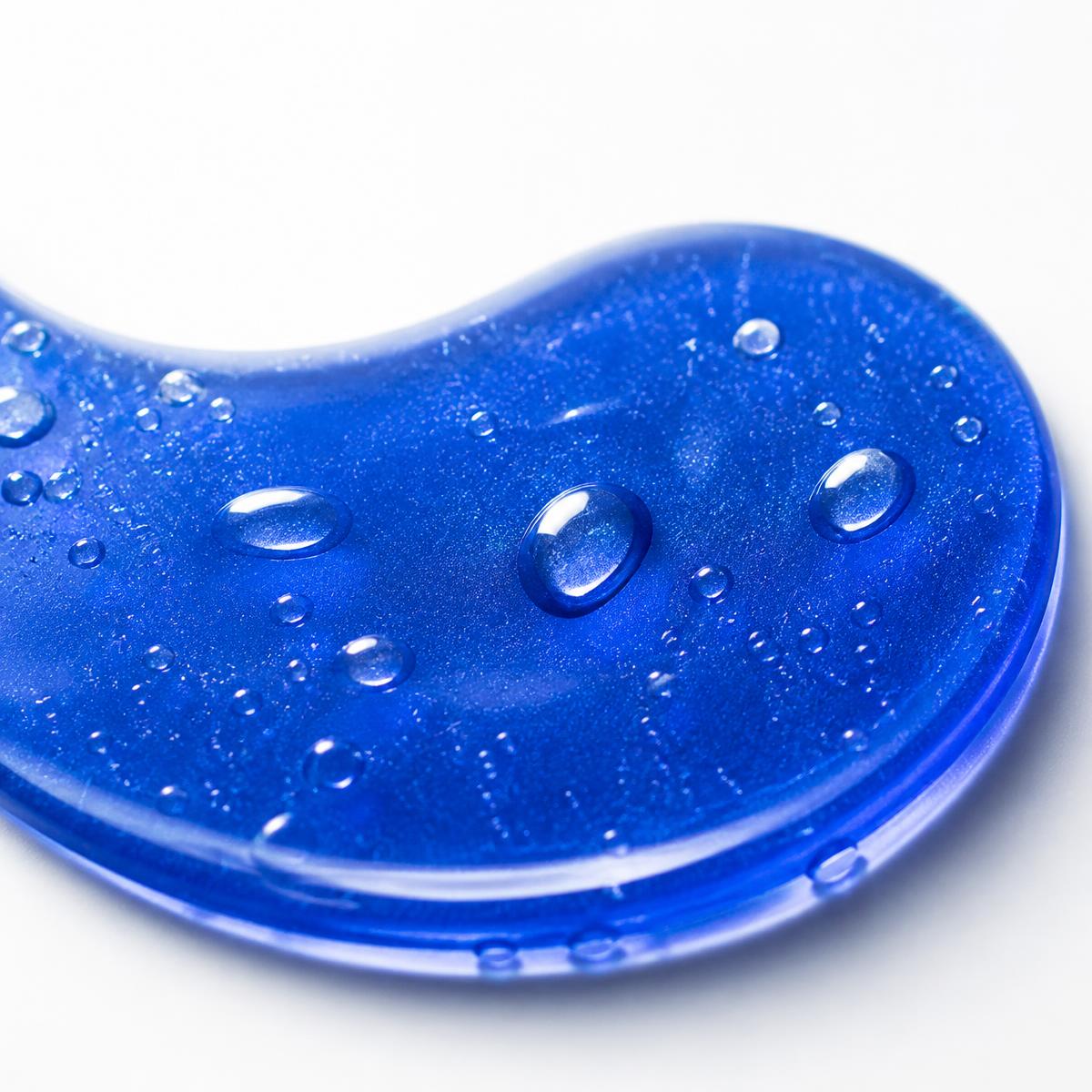
Glycerin and hyaluronic acid are often compared as though you must choose a side. In practice, skincare formulas can use more than one humectant. Our ingredient guide lists glycerin and sodium hyaluronate—the salt form associated with hyaluronic acid—as humectants. That tells you their intended role in the formula, not how much better one finished product is than another.
What humectant means
In cosmetic language, humectants help retain moisture. Think of that as one job within a larger formulation: the base, other ingredients, product format and how you use it still matter. A humectant name is not an SPF claim, an irritation guarantee or a promise to remove wrinkles. The hydration story belongs to the whole product, not an isolated word on the label.
Why glycerin deserves a place in the conversation
Glycerin is easy to overlook because it is familiar and does not have a dramatic marketing name. Familiarity does not make it filler. In our ingredient guide it has a clear purpose: attracting moisture. You do not need to dismiss a formula because glycerin appears prominently or assume it is inferior to a product whose packaging spotlights hyaluronic acid.
Read the actual ingredient name
A pack may talk about hyaluronic acid while its ingredient list says sodium hyaluronate. Compare the ingredient list with the manufacturer's explanation rather than treating the two labels as evidence that something is missing. Likewise, a percentage on a marketing panel needs context: the supplier blend, final formula and product use are not interchangeable. We are not offering a concentration target for your under-eyes.
A better way to compare products
- Check whether the product is intended for the area where you want to apply it.
- Read the complete ingredient list and directions, not only the highlighted active.
- Choose a texture and format that fit your routine without excessive layering.
- Judge comfort and the finish on your own skin; stop if it irritates.
If your skin is persistently dry, adding a second humectant serum may not be the useful next step. Simplifying cleansing and using a suitable moisturiser can be more practical. A patch is a temporary cosmetic session; the everyday routine still deserves attention.
frequently asked
- Does pep patch use glycerin or hyaluronic acid?
- Our ingredient guide lists both glycerin and sodium hyaluronate as humectants.
- Does more hyaluronic acid mean a better eye patch?
- Not by itself. A percentage or ingredient name cannot establish how a finished formula performs or whether it suits your skin.
Related articles
Cosmetic information only. pep patch is a cosmetic product and is not intended to diagnose, treat, cure, or prevent any disease.