
By The pep patch team, Product & formulation
Published · 5 min read
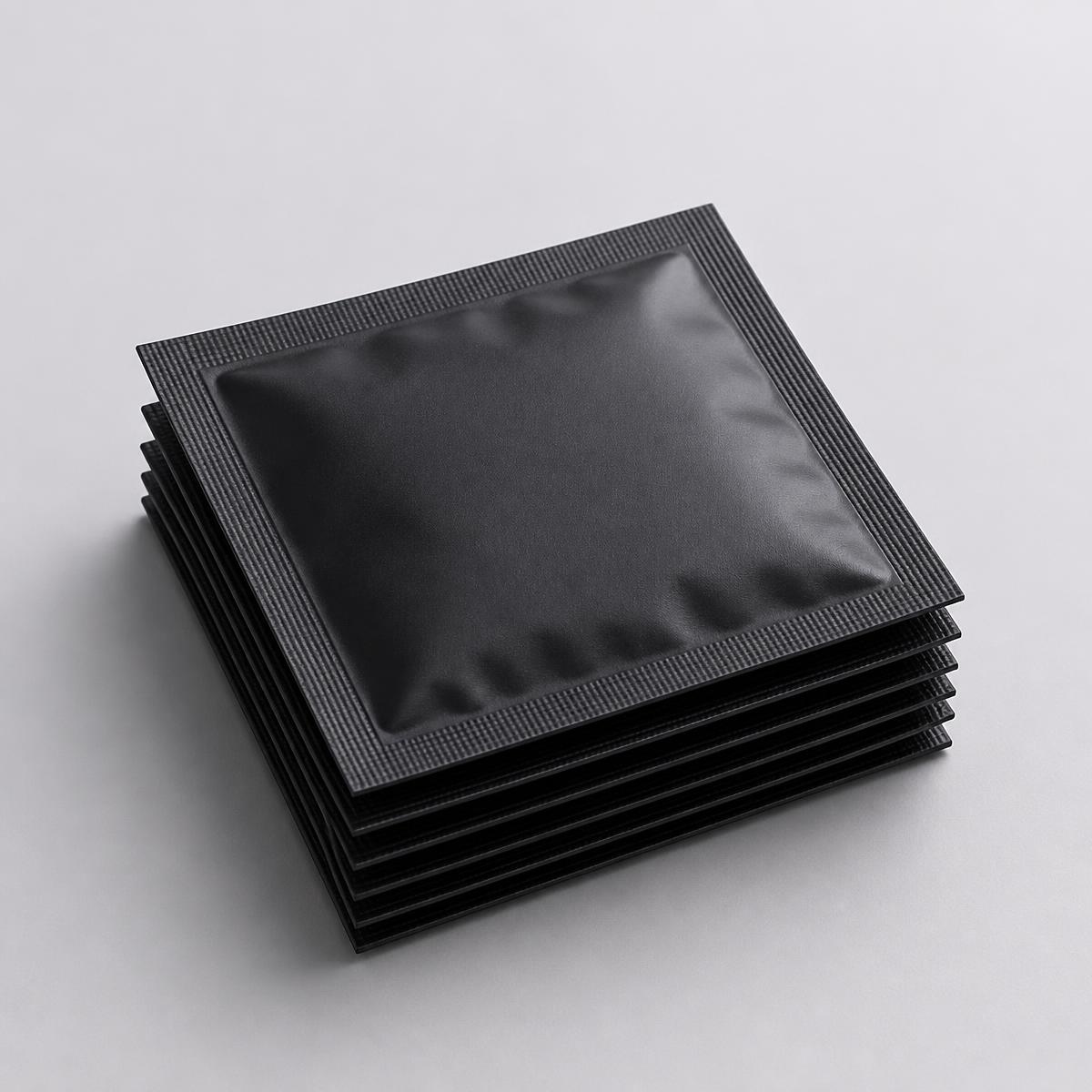
Under-eye skin behaves differently from the rest of your face, and it isn't mysterious. It's thinner, it has far fewer oil glands, and it moves constantly — you blink somewhere north of ten thousand times a day. Thin, dry and always moving is a recipe for skin that looks crepey before anywhere else does.
Humectants pull water in
Glycerin, hyaluronic acid, butylene glycol, panthenol. These attract and hold water in the upper layers of skin. They're why a well-formulated product makes skin look plumper almost immediately — the surface is holding more water, so it reflects light more evenly and fine lines are less visible.
The catch: a humectant on bare skin in dry air can end up giving water back to the room. Which is where the second half comes in.
Occlusives keep it there
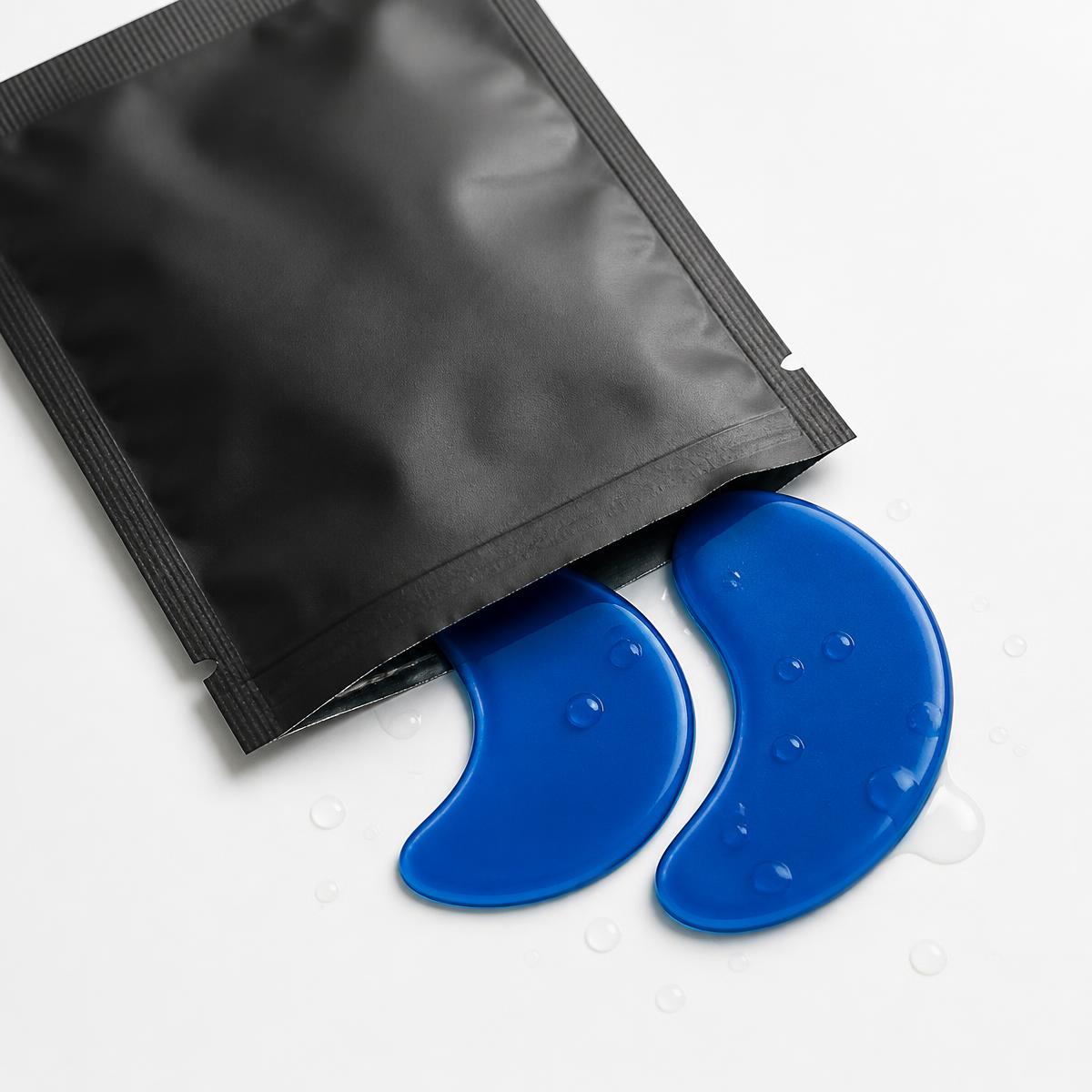
An occlusive is a physical barrier over the top that slows evaporation. Traditionally that's a heavy balm or a cream. A gel patch is one too — arguably a better one, because it's a sealed sheet of water-rich gel pressed against skin rather than a film you rub in and then lose to your pillow.
Where a patch fits
Think of a patch as a concentrated fifteen minutes of both mechanisms at once: humectants in the gel, occlusion from the sheet. Serum on the same area is largely dry in ninety seconds. That's the practical argument for the format, and it's an appearance argument — hydration here means how the surface of your skin looks and feels, not a medical change.
Do you still need an eye cream?
Honestly: not necessarily. If your face moisturiser is gentle and fragrance-free, taking it right up to the orbital bone is fine for a lot of people. A dedicated eye product earns its place if you want something lighter under makeup, or if your face cream is doing something — high-strength acids, retinoids, heavy fragrance — you'd rather keep away from the eye.
Order, if you use both: patch first, tap in what's left, then cream over the top to seal it.
The unglamorous variables
- Indoor heating and air conditioning both dry the air, and dry air pulls water out of skin.
- Long-haul flights are the extreme version of that, at around 10-20% humidity.
- Hot water and aggressive cleansing strip the little lipid support this area has.
- Rubbing — with a towel, with your knuckles at 2am — undoes more than most products add.
frequently asked
- Why is under-eye skin so dry?
- It's the thinnest skin on the face with very few oil glands, so it holds less water and loses it faster.
- Do I need a separate eye product?
- Not always. A gentle, fragrance-free face moisturiser taken up to the orbital bone works for many people.
- What's the difference between a humectant and an occlusive?
- Humectants attract water into the skin's surface; occlusives sit on top and slow how fast it evaporates.
- Does hydration reduce fine lines?
- Well-hydrated skin makes fine lines less visible. That's an appearance effect, and it's temporary.
Related articles
Cosmetic information only. pep patch™ is a cosmetic product and is not intended to diagnose, treat, cure, or prevent any disease.