
By The pep patch team, Product & formulation
Published · 5 min read
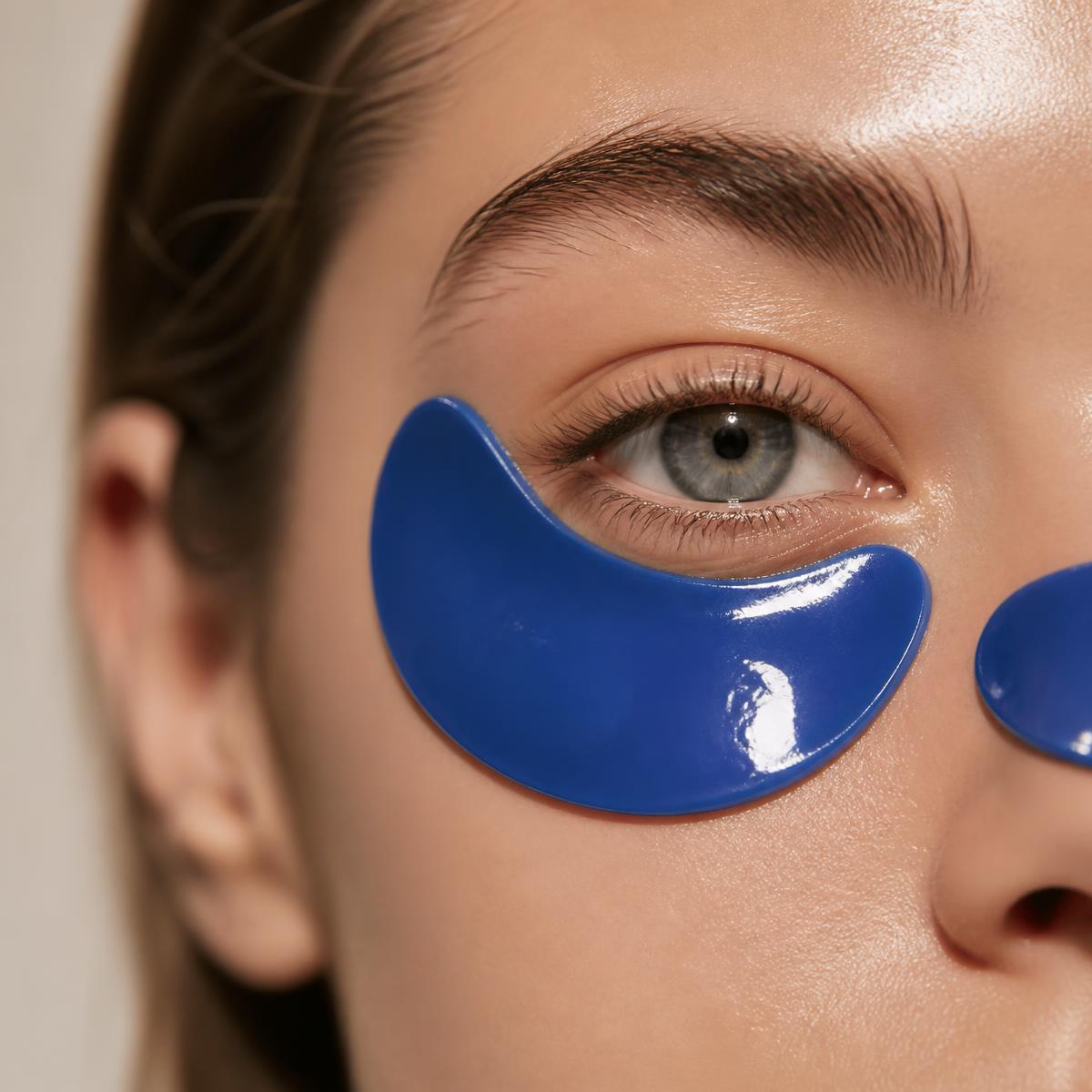
The under-eye is the thinnest skin on the body and it sits next to a mucous membrane. If your skin is reactive anywhere, it's reactive here first. The good news is that this category is unusually easy to assess, because gel patches have short ingredient lists and nowhere to hide.
Reading the label
- Fragrance / parfum: the most common trigger in eye-area products, and the first thing to look for. If it's listed, it's in there.
- Essential oils: fragrance by another name as far as reactive skin is concerned. Look for anything ending in -oil that also smells like a plant.
- Menthol, camphor, peppermint: added for a cooling sensation. A cold gel patch doesn't need them.
- Alcohol denat. high in the list: drying, and rarely necessary in a water-based patch.
- Botanical extracts: not automatically a problem, but if you've reacted to plant extracts before, count them.
How to patch test properly
- Choose a discreet, thin-skinned spot — the inner forearm or behind the jaw, not the under-eye itself.
- Cut or apply a small piece of the patch and leave it for the normal wear time.
- Wait 24 hours before deciding. Most irritant reactions show within a few hours; some allergic ones take longer.
- If nothing happens, try one patch under one eye before committing to a full session.
- Change one thing at a time. If you introduce three new products in a week, you learn nothing from a reaction.
What we leave out, and why
pep patch is formulated without fragrance, without essential oils, and without added cooling agents. The cooling is the gel and the fridge, not menthol. That isn't a claim that the product suits everyone — no honest brand can say that — it's a description of the choices, so you can weigh them against your own history.
We also don't describe the product as hypoallergenic. The word isn't regulated in a way that makes it meaningful, and reactive skin deserves specifics rather than reassurance. The full ingredient list is published with a note next to every line for exactly that reason.
If something does react
- Remove the patch and rinse the area with cool water.
- Stop using it. Don't 'push through' on the under-eye.
- Keep the rest of the routine bland for a few days — cleanser, simple moisturiser, SPF.
- Note the ingredient list somewhere. Two or three reaction lists side by side usually reveal the common name.
frequently asked
- What ingredients should sensitive skin avoid in eye patches?
- Fragrance and essential oils first, then added cooling agents like menthol. Beyond that it depends on your own history — patch testing is more useful than any general list.
- Should I patch test eye patches?
- Yes. Test on the inner forearm for the normal wear time, wait 24 hours, then try one patch under one eye before a full session.
- Is pep patch fragrance-free?
- Yes — no fragrance, no parfum, no essential oils, and no added cooling agents. The full list is on our ingredients page.
- Can I use eye patches if I have eczema around my eyes?
- Ask your dermatologist first. Compromised skin absorbs differently and this is a cosmetic product, not a treatment.
Related articles
Cosmetic information only. pep patch™ is a cosmetic product and is not intended to diagnose, treat, cure, or prevent any disease.